

Should You Really Chase the Best Returning Mutual Funds in Pune?
Pune accounts for an estimated 4.12% of the mutual fund industry's total Assets Under Management (AUM) in India, which is the 4th largest, indicating a substantial local investor base and a vibrant economic landscape.
As salaries grow and expenses settle into a routine, many residents begin exploring best returning mutual funds in Pune to reach their financial dream, rather than chasing quick gains. However, returns alone should never be the only deciding factor when choosing investments.
Why “Best Returns” Should Not Be the Only Focus
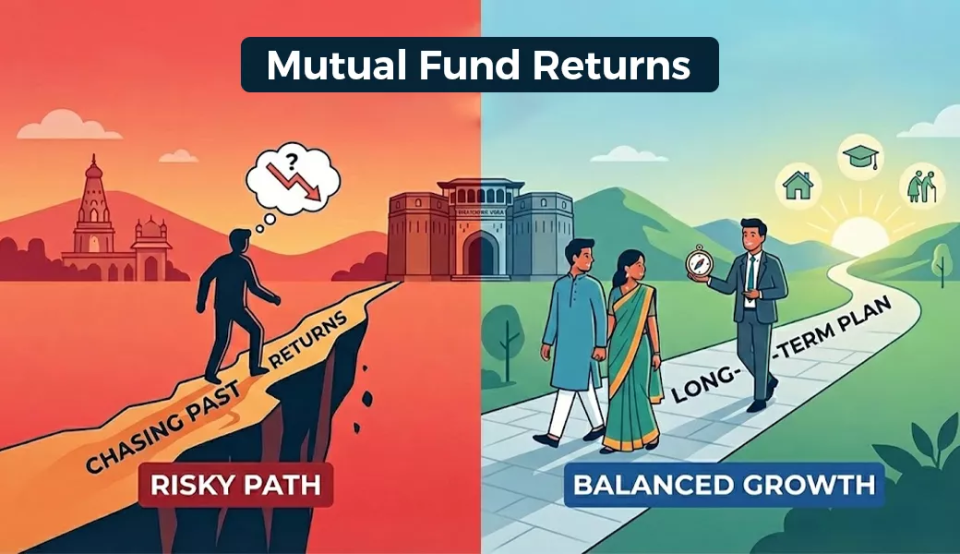
Many beginners assume that choosing a fund with the highest past returns will guarantee success. In reality, returns without context can be misleading.
A fund may deliver high returns in one year because of market conditions, but that does not mean it will suit every investor. The real goal is consistency, stability, and alignment with your time horizon.
Before selecting any mutual fund, it is important to understand:
- Your investment duration
- Your comfort with ups and downs
- Your financial goals
Returns matter, but they should always be viewed alongside risk and behaviour.
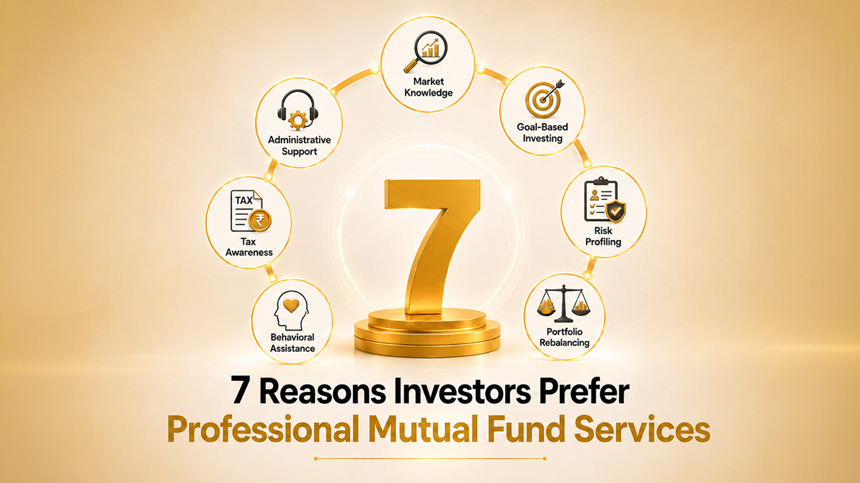
This is where the mutual fund distributors in Pune become relevant. They help investors understand not just what may have performed well in the past, but why certain funds behave the way they do and whether they suit an individual’s goals.
Understanding How Mutual Funds Actually Generate Returns
Mutual funds pool money from multiple investors and invest it across different companies and sectors. The returns you earn depend on how these underlying investments perform over time.
Broadly, returns are influenced by:
- Market movements
- Quality of companies held
- Allocation across company sizes
- Investment discipline
Why Flexibility in Allocation Matters for Long-Term Growth
Some equity funds invest only in large, established companies. Others focus more on smaller or mid-sized businesses. Flexible funds can move across company sizes depending on market conditions.
This flexibility allows fund managers to:
- Reduce risk during uncertain periods
- Capture growth when opportunities arise
- Balance stability and growth
For long-term investors, this adaptive approach can help smooth returns across different market phases.
What Beginners Should Look at Before Choosing a Fund
Instead of chasing short-term performance, beginner investors should focus on behaviour and structure.
-
Investment Style
Some funds prefer stability, while others aim for aggressive growth. Understanding this helps you match the fund to your personality.
-
Consistency Across Market Phases
A good fund does not need to top charts every year. It should perform reasonably well in both rising and falling markets.
-
Portfolio Stability
Funds that change their holdings too frequently may experience higher volatility. A steady approach often suits long-term investors better.
Risk and Returns
Every investment involves risk. The key is choosing a level of risk you can live with.
- Higher risk may offer higher potential returns
- Lower risk may offer more predictable outcomes
The best fund is not the one with the highest return, but the one you can stay invested in during tough times.
How Long-Term Investing Improves Outcomes
Time is one of the biggest advantages an investor can have. The longer you stay invested, the more your money benefits from compounding.
Long-term investing helps by:
- Reducing the impact of market volatility
- Allowing recovery from temporary declines
- Encouraging disciplined investing
Investors who stay invested through multiple market cycles often experience more stable corpus creation.
Why Behaviour Matters More Than Market Timing
Many investors lose money not because they choose bad funds, but because they exit at the wrong time.
Common mistakes include:
- Stopping investments during market falls
- Investing only when markets feel “safe”
- Frequently switching funds
Successful investing requires patience and consistency more than perfect timing.
Common Myths Around High-Returning Funds
Myth 1: Last Year’s Top Performer Will Repeat
Markets change. A fund that did well last year may not lead next year.
Myth 2: More Risk Always Means Better Returns
Higher risk increases volatility. It does not guarantee higher outcomes.
Myth 3: Frequent Changes Improve Performance
Constant switching often leads to missed opportunities and higher costs.
How to Build a Simple, Strong Mutual Fund Strategy
A beginner-friendly approach includes:
- Starting early
- Investing regularly
- Staying invested for long periods
- Reviewing annually, not daily
This simple structure often works better than complex strategies.
What Makes Pune Investors Different
Many Pune residents value stability and long-term planning. Unlike high-pressure cities, Pune allows people to think beyond quick wins.
This mindset works well with mutual fund investing, where patience and discipline play a bigger role than speed.
Choosing funds that align with this lifestyle helps investors remain calm during market ups and downs.
Mistakes to Avoid While Selecting Mutual Funds
Avoid these common pitfalls:
- Investing based on tips or social media trends
- Ignoring risk tolerance
- Expecting instant results
- Checking portfolio value too often
Awareness of these mistakes helps protect long-term returns.
How Often Should You Review Your Investments?
Investments do not need daily monitoring. A structured review once or twice a year is enough for most investors.
Reviews should focus on:
- Goal alignment
- Risk balance
- Long-term consistency
Avoid reacting to short-term market noise.
Conclusion:
Mutual fund investing is not about finding the “perfect” fund. It is about choosing a strategy you can stick to for years.
When investors focus on process, discipline, and suitability rather than only returns, corpus creation becomes more predictable and less stressful.